


Frequently Asked Questions
Why would I choose James Hardie for my home?
Homeowners choose Hardie for the look of painted wood with a fiber cement board that is noncombustible, resists rot and woodpeckers, and holds paint well. Hardie products are engineered by climate zone, and our area uses the HZ5 line built for freeze-thaw cycles. It’s heavier than vinyl and takes careful installation, which is reflected in the price. If you’re comparing materials, see our siding comparison.
What is the difference between ColorPlus and primed siding?
ColorPlus siding is factory-finished, with color baked on in a controlled setting and a separate 15-year limited finish warranty from James Hardie. Primed siding arrives ready to paint, so it is painted on site in any color you like, and the paint carries the paint manufacturer’s warranty instead. ColorPlus usually means less field painting and more consistent color; primed gives unlimited color choice.
Can I combine lap siding, board-and-batten, and shingle accents?
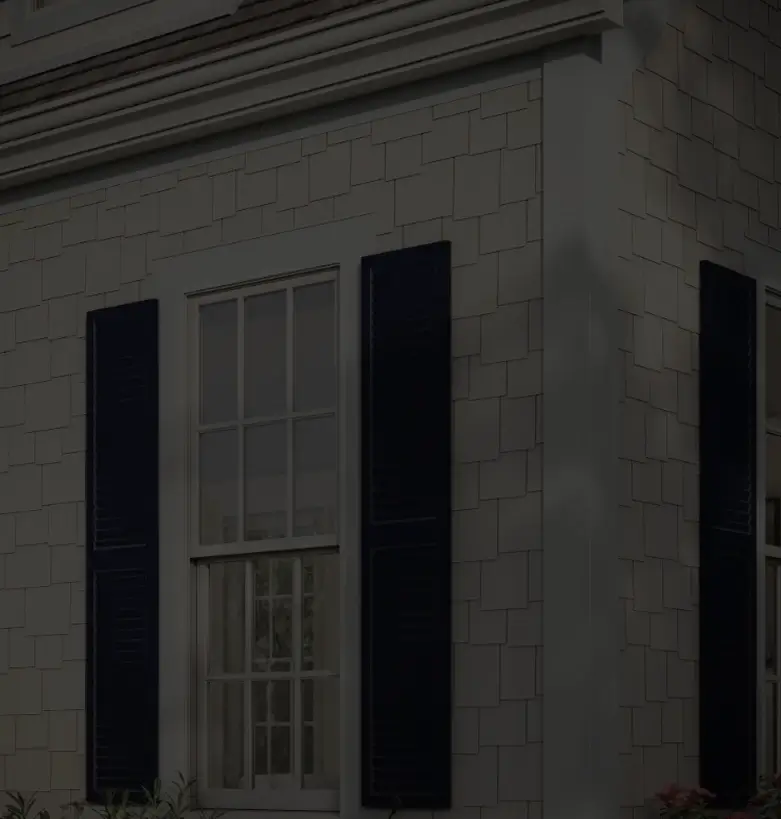
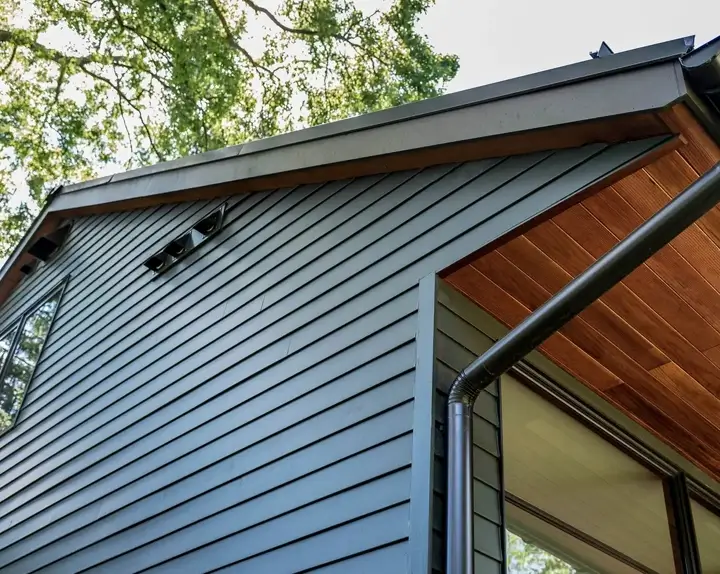
Yes, and it’s one of the best ways to add character. Many homes use HardiePlank lap siding on the main walls, board-and-batten on gables or a bump-out, and HardieShingle accents in a peak. We plan where each profile starts and stops, how the transitions are trimmed, and how colors work together. Mixing profiles adds detail work, so it affects the installed cost.
What preparation and moisture-management work happens behind the siding?
The wall assembly matters as much as the siding. After removing the old siding, we inspect and repair sheathing, install a water-resistive barrier, and flash windows, doors, and penetrations so water that gets behind the siding drains back out. We follow James Hardie’s installation requirements for nailing, joints, and clearances, because the product warranty depends on them.
How do you handle windows, doors, roof intersections, and ground clearances?
These are where siding jobs most often fail, so we detail them carefully. Windows and doors get head flashing and trim with proper gaps. Where a roof meets a wall, we use kickout flashing to direct water into the gutter instead of behind the siding. Hardie requires clearances above the ground, roofs, decks, and paths, and we keep the bottom course at those distances so the boards don’t sit in water.
What maintenance does James Hardie require?
Less than wood, but it still needs regular care. Rinse the siding periodically, keep gutters working, and keep plants, mulch, and sprinklers off the wall. Check caulked joints and touch up chips. Field-painted siding will need repainting over time, and ColorPlus finishes may need touch-ups as they age. Following Hardie’s care guidance also helps keep warranty coverage intact.
What does the product warranty cover, and how is the finish warranty different?
James Hardie’s siding, trim, and soffit substrate carries a transferable 30-year non-prorated limited warranty against defects in the board itself. ColorPlus finishes have a separate 15-year limited warranty against peeling, cracking, and chipping, with coverage that reduces over time. Neither covers installation errors. That’s what Riley’s workmanship warranty is for: 5, 10, or 15 years depending on the project. Your proposal lists all three separately.
What affects the installed cost?
The main factors are wall area, the number of stories and access, removal of existing siding, sheathing repairs, how many profiles and accent areas you choose, trim and window detailing, ColorPlus versus primed and field-painted, and soffit and fascia work. Homes with many corners, gables, and openings take more labor. We give you a written proposal that shows each item.